

If you’re moving from traditional growing to hydroponic farming, one thing becomes clear very quickly: the parameters change, the level of control changes — and as a result, the lighting needs change too. Not because hydroponics automatically requires a special lamp, but because the environment is more precise, feedback is faster, and the whole setup is more sensitive to imbalances.
In this article, we explain in simple terms what really changes between lighting for hydroponics and lighting for soil cultivation — and how to set it up to achieve uniform growth and consistent quality.
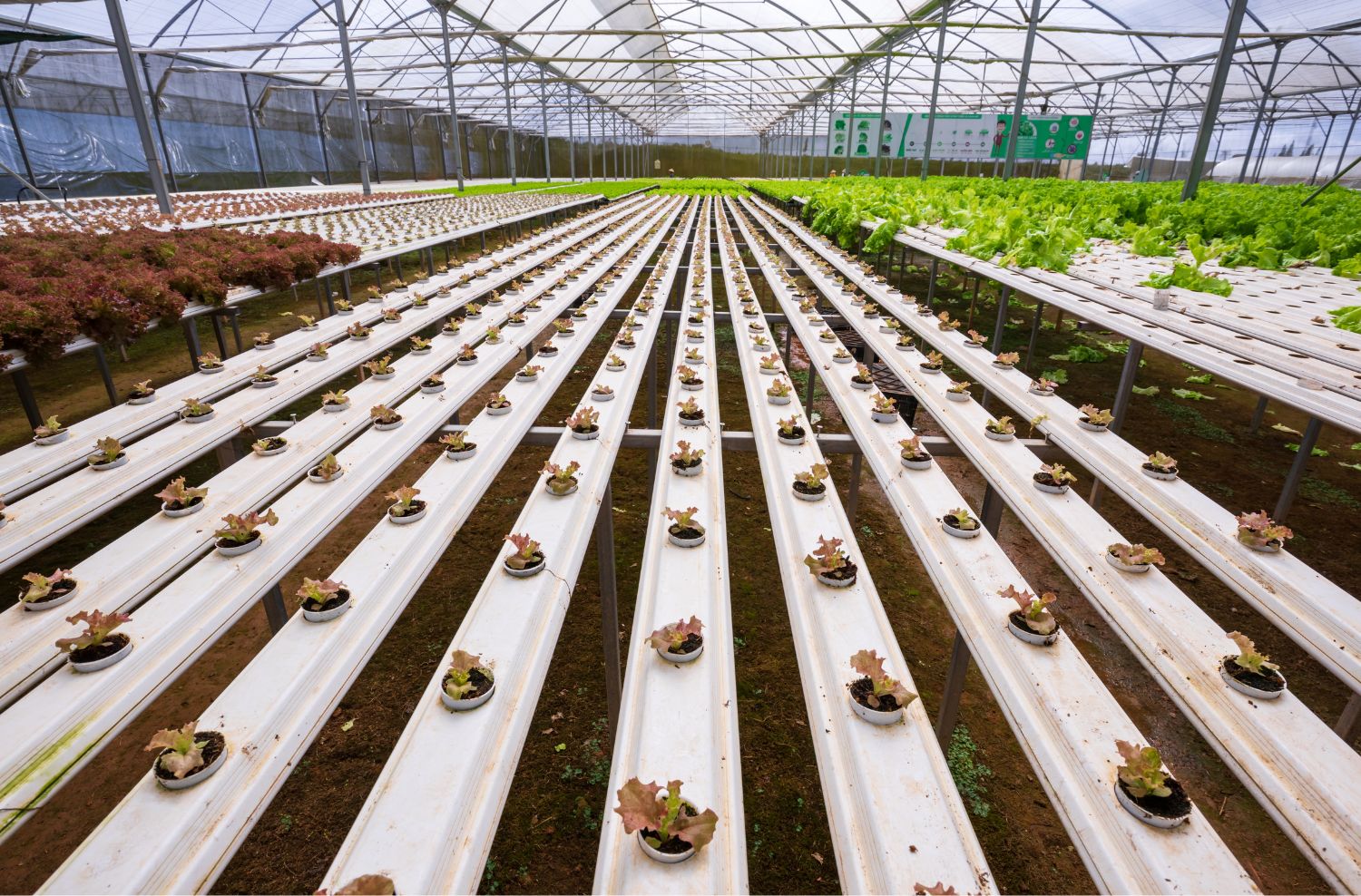
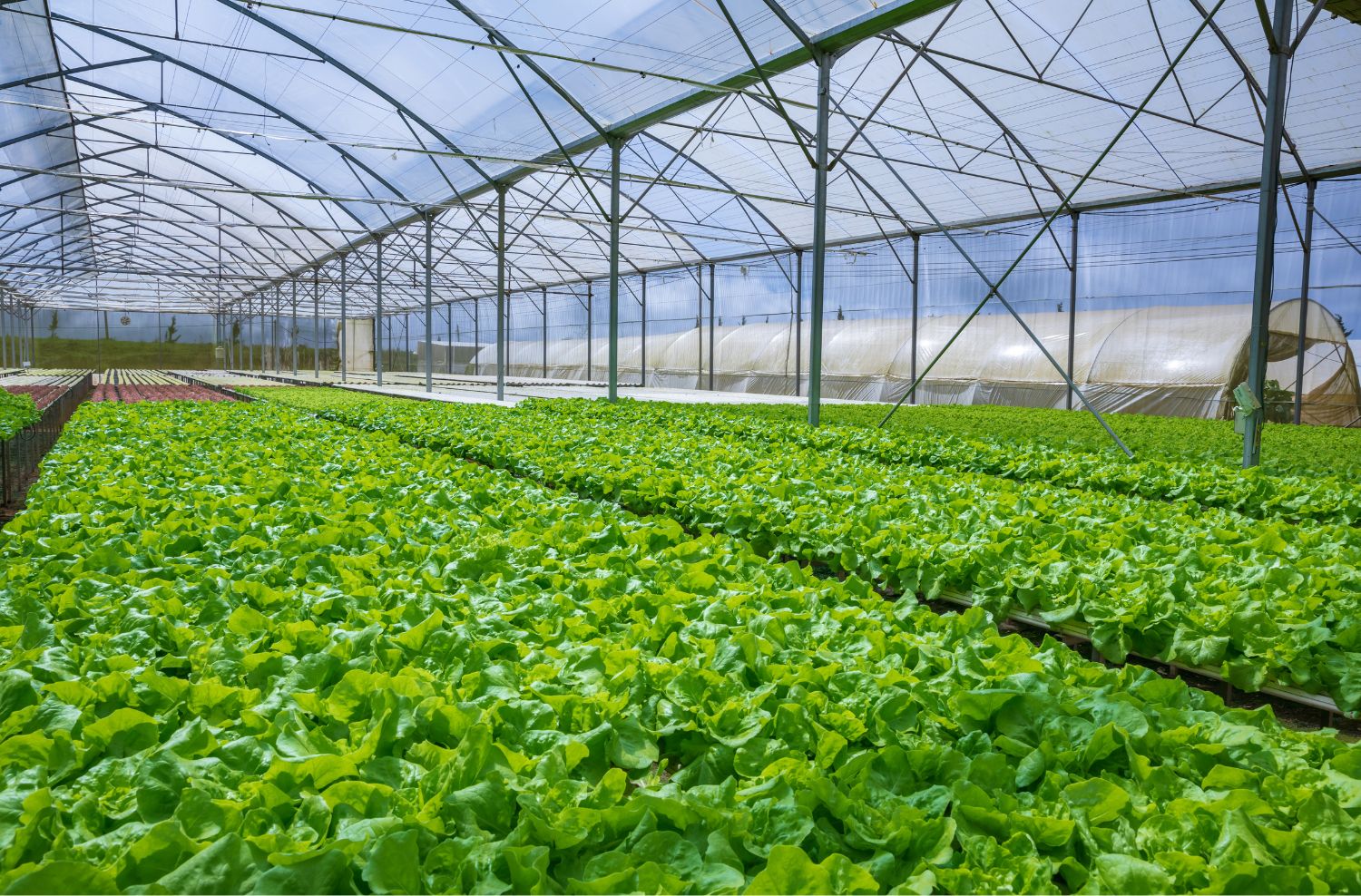
Hydroponics: more control, more responsibility
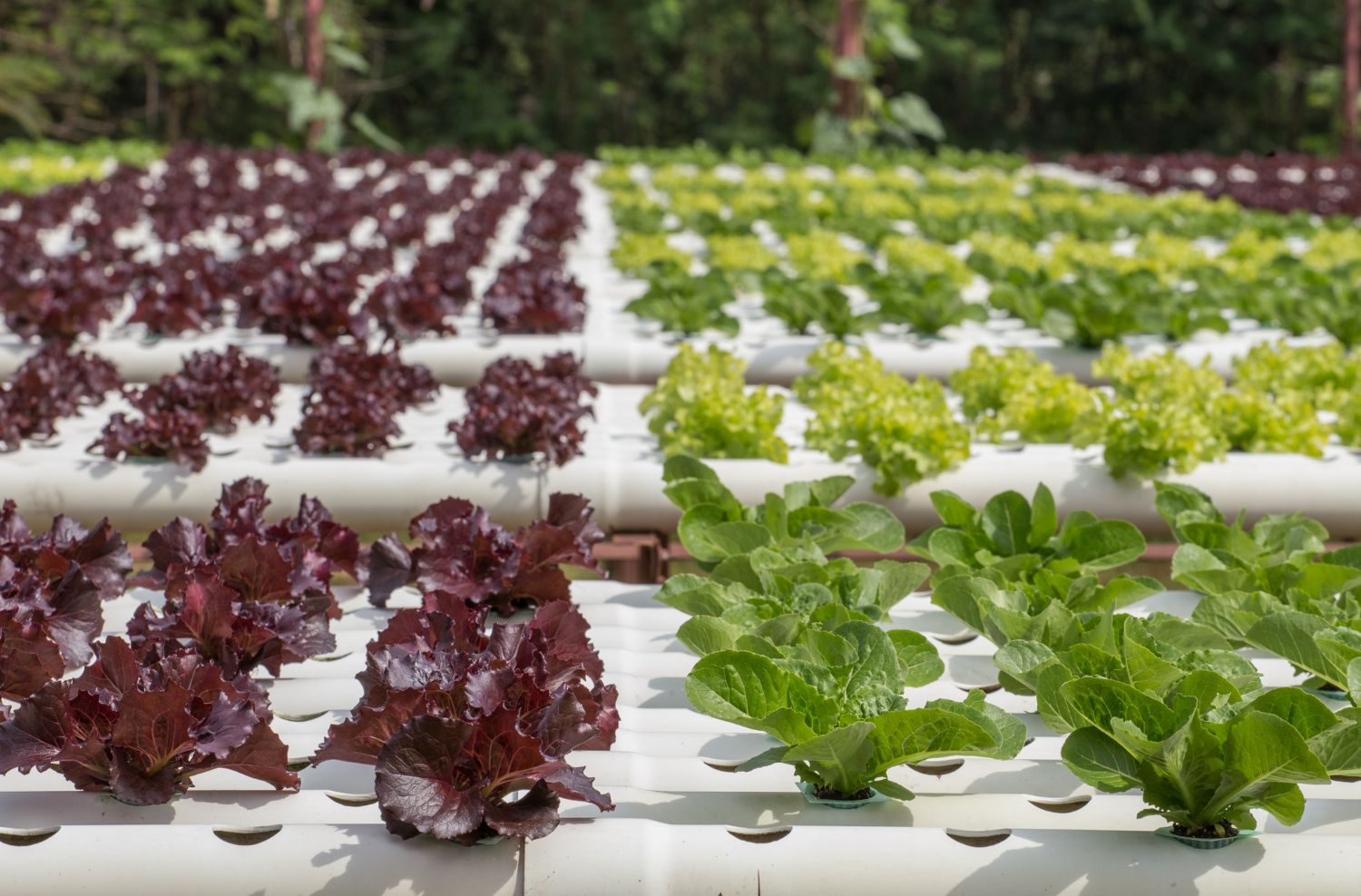
In a hydroponic system, the plant receives water and nutrients directly and continuously. Roots don’t “search” through soil — they absorb with consistency. This often speeds up growth and makes plants more responsive. In other words: if the light is right, results show up quickly; if it’s unbalanced, you’ll notice just as fast.
In soil growing, the substrate “buffers” mistakes: it holds water, releases nutrients, and stabilizes conditions. In hydroponics, the system is more transparent — light becomes even more central in shaping plant structure, rhythm, and growth quality.
Spectrum: similar basics, different use
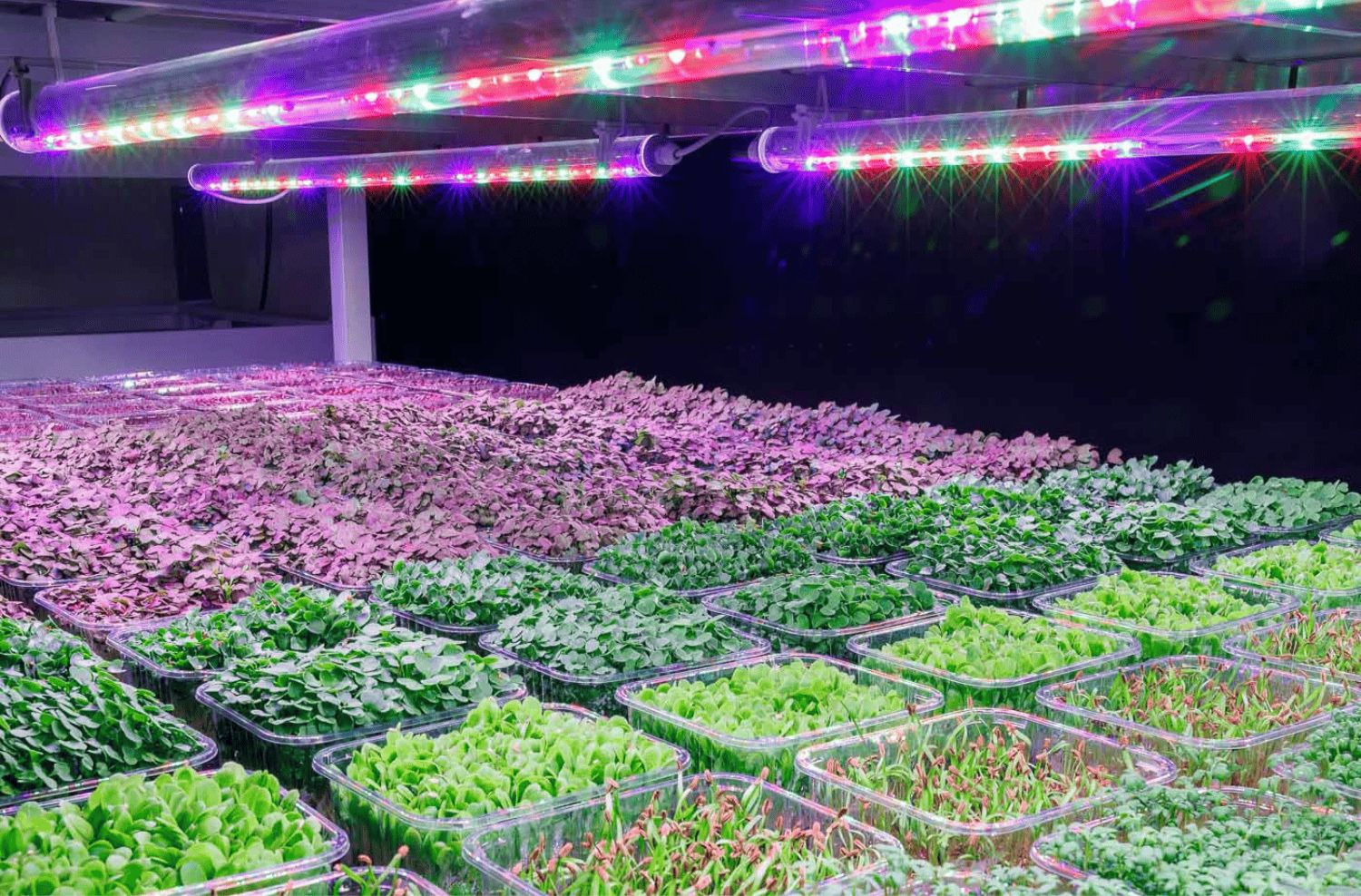
Photosynthesis always works the same way: plants mainly rely on blue and red wavelengths. What changes in hydroponic growing is how you use the spectrum over time.
With hydroponic plants, it often helps to work with a more guided approach:
The key point is linking the spectrum to the result you want to achieve.
Intensity and uniformity: even more important in hydroponics
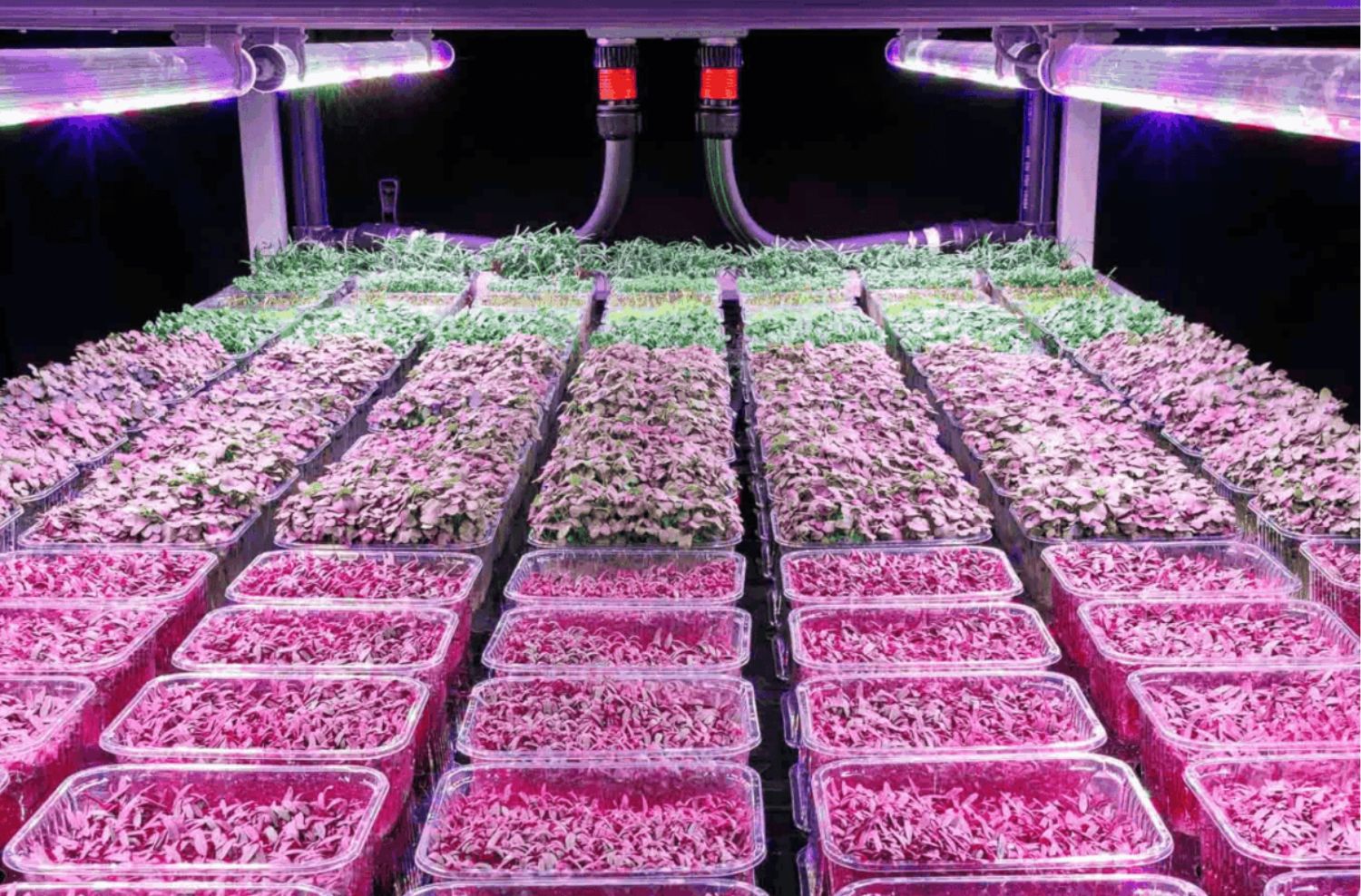
With hydroponic farming, plants often grow more evenly because water and nutrients are delivered consistently. That’s a huge advantage — but only if the light is uniform too. If one area receives higher intensity and another less, differences appear immediately: different sizes, different timing, uneven quality.
That’s why, in hydroponics, it’s essential to:
Photoperiod: more precision, less improvisation
In a hydroponic system, photoperiod can be a deciding factor. You can guide growth and yield with high precision, but overdoing it rarely pays off. More hours don’t always mean better quality: beyond a certain point, you increase energy use and stress without truly improving the plant.
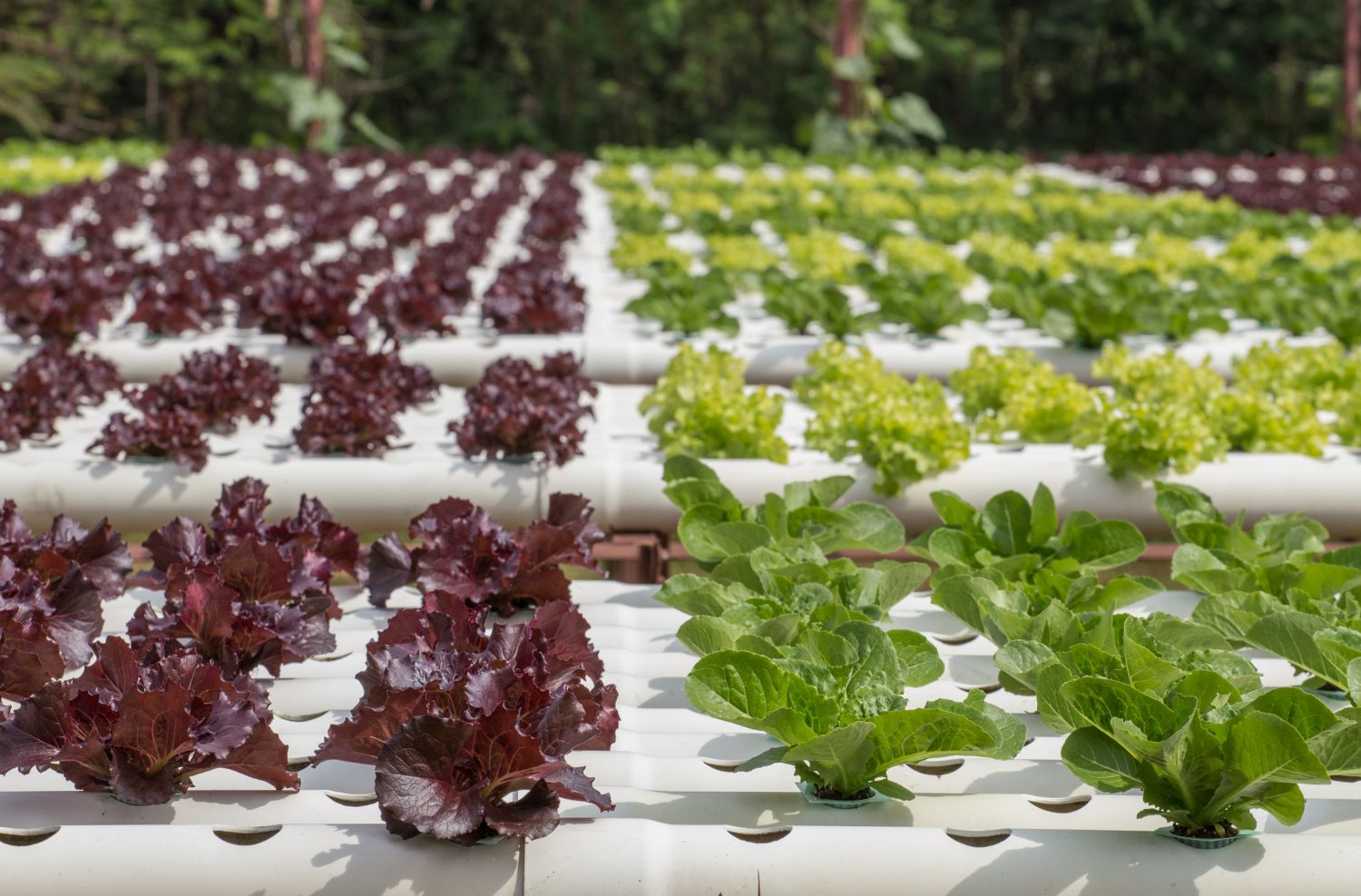
A practical rule: set a stable rhythm first, then make small, targeted adjustments. In hydroponics, minor changes can produce major outcomes.
The environment matters: light and climate go together
Light never works alone. In any hydroponic system, temperature, humidity, and airflow are part of the equation. If you increase light, you also increase plant demand: more photosynthesis means more transpiration — so higher water and nutrient uptake.
That’s why hydroponic growing requires integrated management: lighting should be designed while already thinking about how the rest of the system will respond.
Common mistakes when switching from soil to hydroponics
Here are the most frequent (and easiest to avoid) mistakes:
Why Ambralight
When we design lighting for hydroponic farming, we start with the species, the growth stage, and the goal. We build the right spectrum, focus on uniformity and layout, and set up control that’s easy to manage every day. That’s how hydroponic plants grow evenly and quality stays consistent — cycle after cycle.
The real difference, in the end, is this
In soil, plants have more “buffer.” In hydroponics, you have more control — so you can achieve better results, but only with lighting that’s designed properly. A hydroponic system is precise: light is one of the most powerful levers to make it perform at its best.